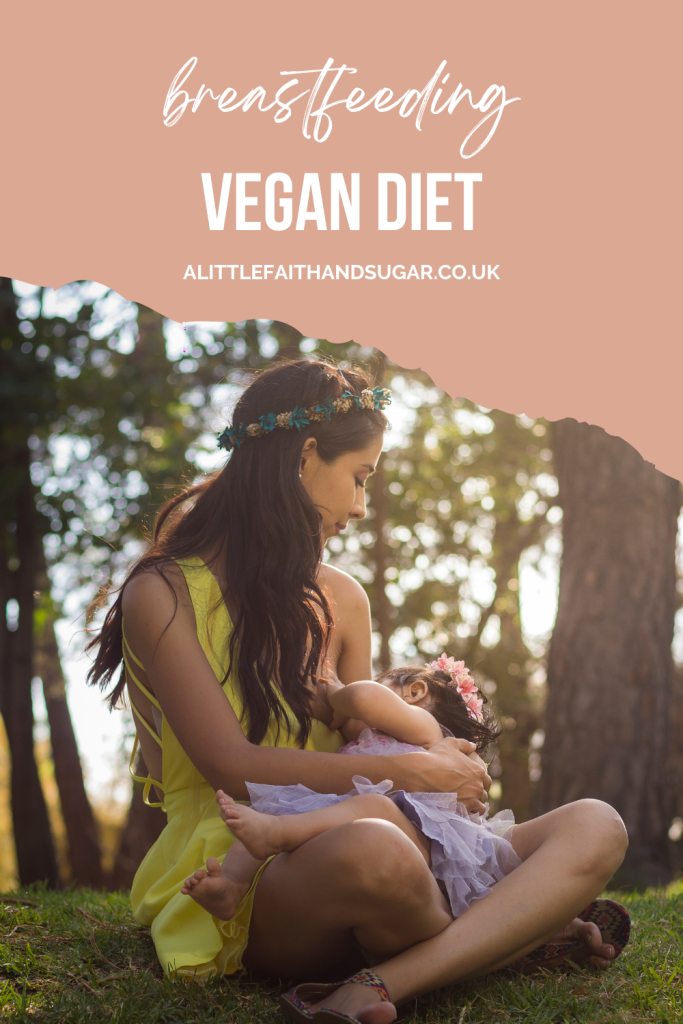
Breastfeeding Vegan Diet: Tips for Mums
As a plant-based mama I understand the concerns that come with wanting to do the best for ourselves and our little ones. Throw a breastfeeding vegan diet into the mix and more questions pop up. “Can I produce enough rich, nutritious milk for my baby on a vegan diet?”
The short answer? Absolutely.
The long answer? Not only can you do it, but with a little planning, a vegan diet can provide a premium fuel source for both you and your little one. A well-planned vegan diet can be appropriate for all stages of life, including breastfeeding.
Making milk is work for your body. It requires energy, calories, and specific nutrients. Whether you are a lifelong vegan or just trying to eat more plants postpartum, here is your guide to fueling the milk factory without animal products. You and your little one can thrive on plants and healthy breastmilk.
What Vegan Foods Increase Milk Supply?
The key here is to eat enough calories of wholesome plant-based wholefoods. When we eat enough food, both abundant in calories and nutrients, it will help to supply nourishing breastmilk.
I have been vegan for over a decade and had two healthy vegan pregnancies, homebirths and breastfeeding journeys. Both of my children breastfed from day one, and we were all healthy with me being vegan.
I am mindful and intentional with the foods I eat, regardless of being pregnant or breastfeeding; it is second nature for me to eat nourishing food. Throw pregnancy and breastfeeding into the mix, I have always been conscious of what I eat and eating plenty of plant-based foods rich in nutrients.
With this in mind, whether we eat vegan or not, to create an abundance of breastmilk, we must eat enough food. This is not a time to diet mamas. Of course, it is also not an excuse to binge on food and just eat mindlessly. We must take care of ourselves with nourishing, wholesome food, and I believe plant foods can provide the right mix of nutrients for mother and baby when eating enough calories and nutrients combined.
The key point: eat enough.
Personally, I have found that during the different trimesters of pregnancy, and different stages of breastfeeding ages of my children, my appetite has changed. Some seasons require way more calories, others require less, and this comes down to paying attention to my natural appetite, energy, mood and sleep.
Eat enough food that is right for your own body and you will be doing your best to create an abundance of milk supply for your little one.
Get a Vegan Nutrition printable here
Does a Vegan Diet Affect Breastmilk?
As a vegan mum, I do not have anything to compare to as I have been vegan prior to having children, so my children have been breastfed with me eating a vegan diet. I have only had a positive experience with breastfeeding and my breastmilk.
Both children were well nourished and only had breastmilk straight from my breasts. I did not pump or use a bottle; I breastfed exclusively. One child was breastfed until 3 years of age and the other until 4 years of age. In the later stages of each child breastfeeding, there were fewer feeds, and it was mainly for comfort, as by that age they are eating food and receiving all the nutrition from food and hydration from water they drink.
I do not know if this has anything to do with being vegan, but my breasts would still have let downs and leak breastmilk well into the 2 and 3 year mark of breastfeeding. I know that some women’s breasts stop leaking after a few months to the first year. My breasts seemed to have an abundance of breastmilk.
I know that some vegan breastfeeding mums also have an abundance of breastmilk and provide extra milk to mums who are not able to breastfeed their little ones.
Check out these videos from Ellen Fisher. Ellen is a vegan mum to 5 children, she has breastfed and donated breastmilk to other mums in need.
What I ate today | VEGAN Breastfeeding Mom
What I ate today as a Vegan Breastfeeding Mom
WHAT I ATE TODAY as a Vegan Breastfeeding Mom
What I ate today | VEGAN Breastfeeding Mom
POSTPARTUM CARE: tips for an easier recovery (pain. breastmilk, bleeding)
Best Tips for a Breastfeeding Vegan Diet
Here I am going to share some of my top tips that helped me during my two healthy vegan pregnancies and breastfeeding journeys and I felt amazing.
To be honest, I don’t do anything majorly different from life outside of pregnancy and breastfeeding. I make a few tweaks, but in reality, life is very similar to a baby being in my body or not, breastfeeding or not.
Tip 1: Eat Fresh Wholefoods
Focus on eating wholesome plant-based wholefoods for a healthy breastfeeding vegan diet. What does that look like you may ask? Here are some example foods:
Fruit
Mostly fresh, use frozen if you like, occasional dried fruit. For example:
- Bananas
- Apples
- Pear
- Oranges
- Strawberries
- Raspberries
- Blueberries
- Cherries
- Mango
- Papaya
- Pineapple
- Passion fruit
- Peach
- Nectarine
- Dates
- Sultanas
- Apricots
Vegetables
Mostly fresh, use frozen if you like. For example:
- Lettuce
- Cucumber
- Celery
- Tomatoes
- Spinach
- Kale
- Carrots
- Peppers
- Mushrooms
- Green beans
- Peas
- Broccoli
- Cauliflower
- Sweet potatoes
- White potatoes
- Onions
- Cabbage
- Brussel sprouts
- Corn
Grains
Some people do best without wheat and gluten. Choose gluten-free if that’s best for you.
- Oats
- Rice
- Quinoa
- Millet
- Buckwheat
- Rice noodles
- Wheat flour
- Pasta
- Gluten free pasta
- Gluten free flour
- Cereal
- Muesli
- Granola
Legumes
- Chickpeas
- Black beans
- Red kidney beans
- Cannelini beans
- Lentils
- Tofu
- Peas
- Baked beans
- Peanuts
Fats
- Avocado
- Peanut butter
- Tahini
- Flaxseeds
- Chia seeds
- Hemp seeds
- Sesame seeds
- Sunflower seeds
- Coconut milk, water, cream, oil, dried
- Olive oil
- Sunflower oil
- Vegetable oil
- Cashew nuts
- Peanuts
- Almonds
- Brazil nuts
- Hazelnuts
Condiments + Other
- Plant-based milks
- Soy sauce, tamari sauce, coconut aminos
- Herbs
- Spices
- Apple cider vinegar
- Salt
- Seaweed, dulse
- Agave syrup, maple syrup
- Sugar, unrefined sugar, coconut sugar
- Arrowroot powder
- Nutritional yeast
- Tinned tomatoes
- Tomato puree
- Tomato passata
- Vegan chocolate, dark chocolate
- Cocoa/cacao powder
- Carob powder
Tip 2: Specific Nutrients
When it comes to being vegan and then throwing breastfeeding into the mix, eating a wholesome nutritious diet filled with fresh plant-based foods is important. One of the reasons for doing this is that it gives the body various nutrients to help the body thrive.
Whether vegan or not vegan, it is important to eat a diet rich in nutrients, and one can easily be lacking in nutrients no matter the type of diet. That being said, we are talking about a healthy breastfeeding vegan diet so let’s take a look at a few essential nutrients to be mindful of eating through delicious food.
What vitamins do breastfeeding vegans need?
For a healthy breastfeeding vegan diet focus on vitamins and minerals through a variety of foods as suggested in the lists above. Many of the foods above contain important nutrients listed below. Here are examples of foods that contain essential nutrients to boost health during breastfeeding for mum and baby.
Iron
- Spinach
- Pak choi
- Asparagus
- Leeks
- Green peas
- Brussels sprouts
- Kale
- Beetroot
- Broccoli
- Cabbage
- Green beans
- Lettuce
- Tomatoes
- Parsley
- Basil
- Oregano
- Cumin
- Turmeric
- Soybeans
- Tofu
- Lentils
- Olives
- Sesame seeds
- Pumpkin seeds
- Chickpeas
- Kidney beans
- Black beans
- Pinto beans
- Sea vegetables
Calcium
- Tofu
- Oranges
- Spinach
- Pak choi
- Swiss chard
- Kale
- Sesame seeds
- Cabbage
- Broccoli
- Brussels sprouts
- Green beans
- Asparagus
- Leeks
- Lettuce
- Celery
- Cumin
- Basil
- Garlic
- Oregano
Folate
- Lentils
- Asparagus
- Spinach
- Broccoli
- Beetroot
- Lettuce
- Pak choi
- Cauliflower
- Brussels sprouts
- Green peas
- Bell peppers
- Green beans
- Cabbage
- Celery
- Carrots
- Kale
- Mushrooms
- Tomatoes
- Chickpeas
- Black beans
- Kidney beans
- Papaya
- Strawberries
- Oranges
- Lemon
- Lime
- Cantaloupe melon
- Pineapple
- Raspberries
- Avocado
- Peanuts
- Sunflower seeds
- Quinoa
- Squash
Vitamin B12
- Crimini mushrooms
- Nutritional yeast
- Fortified foods with vitamin B12 (some plant-based milks, some cereals and some soy products)
- Vegan spreads such as marmite and yeast spread
- Recommended to add a vegan vitamin B12 supplement
Vitamin D
- Shiitake mushrooms
- Fortified foods with vitamin D (some plant-based milks, some cereals
- Sunshine (not a food but a great source of vitamin D)
- Recommended to add a vegan vitamin D3 supplement
Omega 3 Fats
- Flaxseeds
- Walnuts
- Brussels sprouts
- Cauliflower
- Soybeans
- Tofu
- Miso
- Broccoli
- Spinach
- Squash
- Kale
- Green beans
- Lettuce
- Pak choi
- Raspberries
- Strawberries
Tip 3: Hydrate, Hydrate, Hydrate
Breastmilk is about 87% water. If you are dehydrated, your supply can suffer (and you will feel terrible).
- The Rule: Every time the baby latches, you take a sip. Keep a large water bottle at your bedside and by the sofa. Coconut water is also great for electrolyte replenishment.
- Make sure you have water by the bed for night feeds. I wouldn’t typically drink lots of water during the night as I will need the toilet often, but in the early months to a year of breastfeeding a little one my body needs that extra hydration.
Get a Vegan Nutrition printable here
Tip 4: A Sample “Milk-Boosting” Day
Here is what a balanced day of eating might look like:
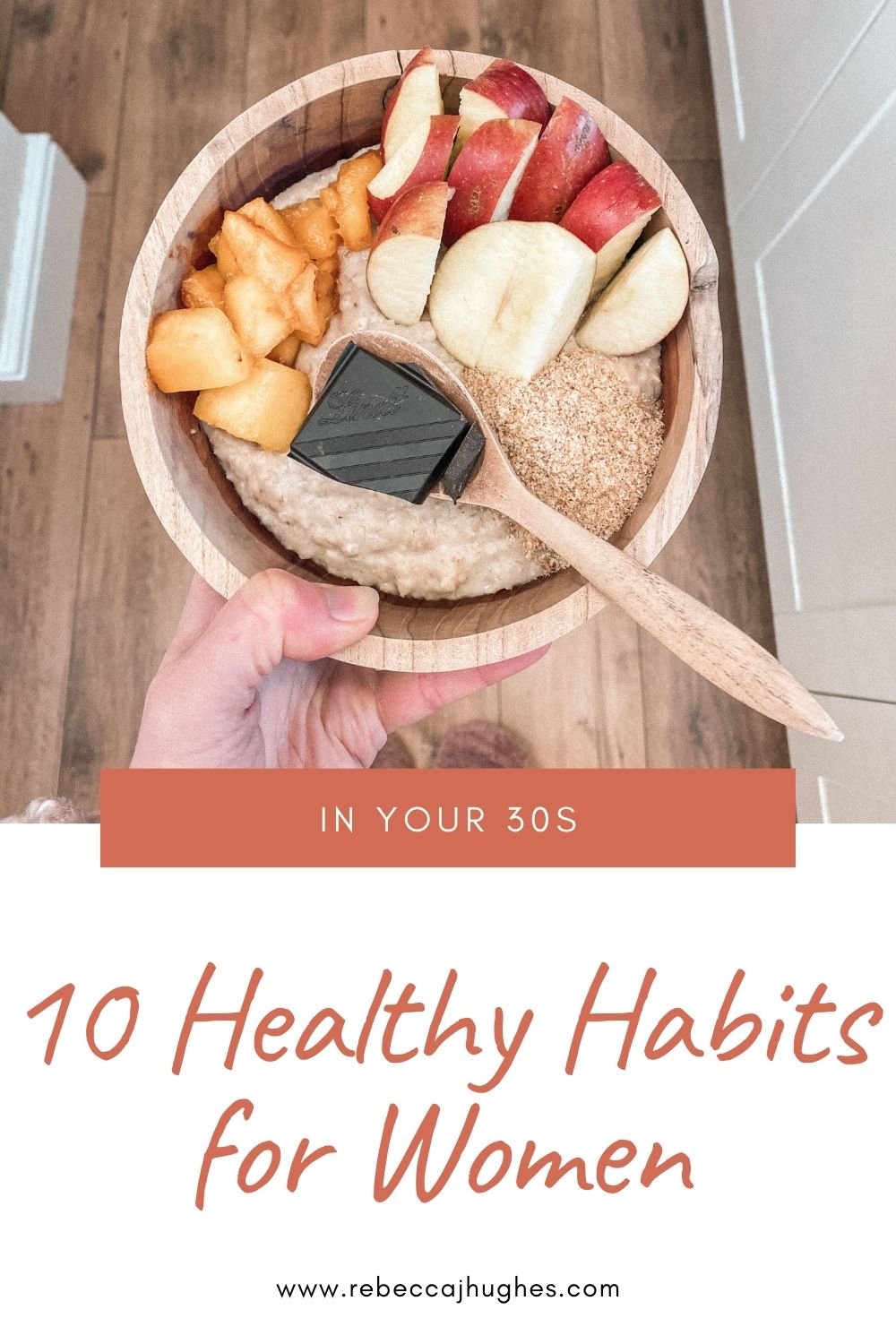
- Breakfast: Porridge made with oats, water and mashed banana (add soy milk if desired), topped with ground flaxseeds, banana, peanut butter, and other fruit you enjoy.
- Lunch: A large salad of lettuce, tomatoes, cucumber and other veggies you enjoy with potatoes or homemade bread. Top with avocado or a lemon-tahini dressing.
- Snack: Apple or banana with peanut butter, a smoothie with fruit and soy milk, rice cakes with peanut butter, or a couple of pieces of dark chocolate.
- Dinner: Vegetable stew with rice or homemade bread, pasta with tomato sauce and veggies on the side, or roasted vegetables and potatoes with homemade bread.
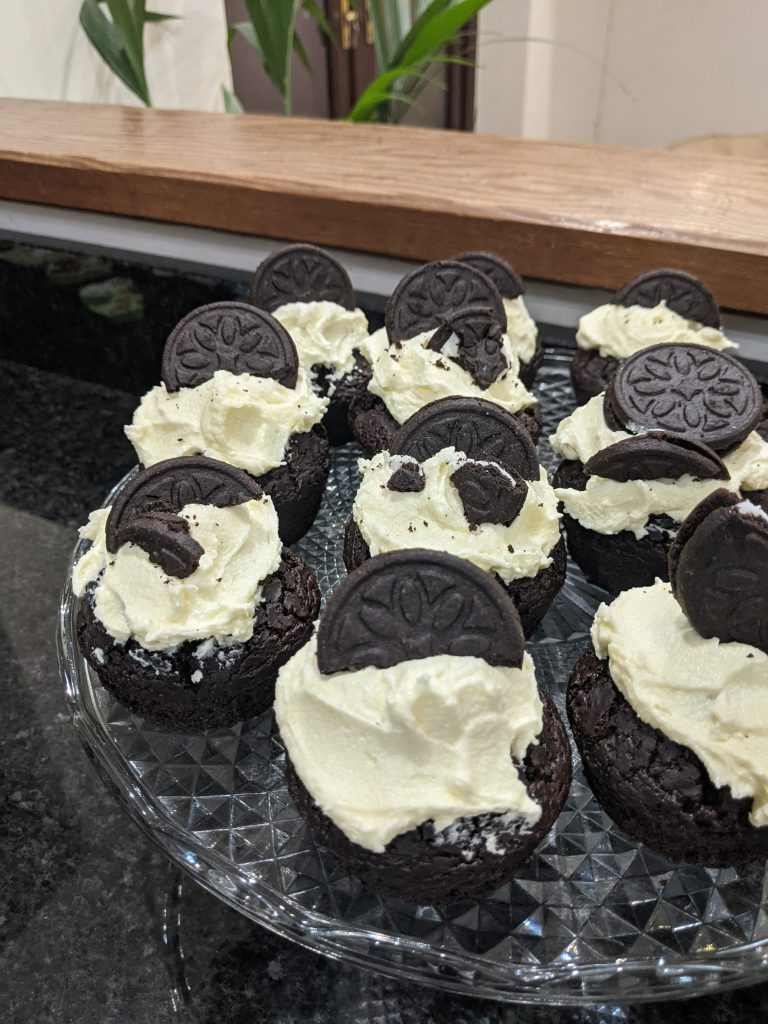
- Dessert/bedtime snack: A few pieces of dark chocolate, a slice of homemade cake or cookies.
Tip 5: A Note on “Gassy” Foods
You might hear old wives’ tales saying, “Don’t eat broccoli or beans, it will give the baby gas!”
Generally, flavours transfer to breastmilk, but gas does not. Most babies do just fine with spicy foods, garlic, beans, and cruciferous veggies. In fact, exposing them to these flavours now might help them be less picky eaters later! However, if you notice your baby is consistently fussy after you eat a specific food, try eliminating it for a week to see if it helps.
Personally, I have never had issues with my babies being gassy and I eat TONNES of broccoli and a lot of beans. Pay attention to your own digestion with foods and how the baby responds to certain foods when breastfeeding.
Tip 6: Respect the Hunger (and the Calories)
Breastfeeding burns roughly 500 extra calories a day. That is the equivalent of running a 5-mile race, every single day, while sitting in a rocking chair.
If you are vegan, you can’t just fill up on salads. You need caloric density. I get it mama, you want to be healthy and not put a tonne of body weight on after being pregnant. Forget the dieting mentality – it serves nobody. Of course you want to be healthy and feel your best, and no, this is not a time to indulge and eat copious amounts of cake. But, there is space for cake and to be healthy.
Eat salads AND calorie-dense foods.
- Healthy fats: Avocados, nut butters, and tahini are your friends.
- Complex carbs: Oats, rice, homemade bread, pasta, quinoa, and potatoes provide the sustained energy you need to get through those sleepless nights and days of feeling wiped out.
To Summarise a Breastfeeding Vegan Diet
You are doing an amazing job. Trust your body. If you feel tired, eat more. If you feel thirsty, drink more. Being a vegan breastfeeding mum is a beautiful way to introduce your child to a compassionate, healthy lifestyle from day one.
A breastfeeding vegan diet can be healthy, abundant and provide plenty of nutrients for mama and baby through all stages of the breastfeeding journey, whatever the length of your breastfeeding journey together.
Disclaimer: I am a nutrition enthusiast and a blogger, not a doctor. I am a certified personal trainer and nutrition coach. Always consult with a registered dietitian if making a drastic dietary change and need further support.
Are you a vegan mama? What are your favourite go-to breastfeeding snacks? Let me know in the comments below!